
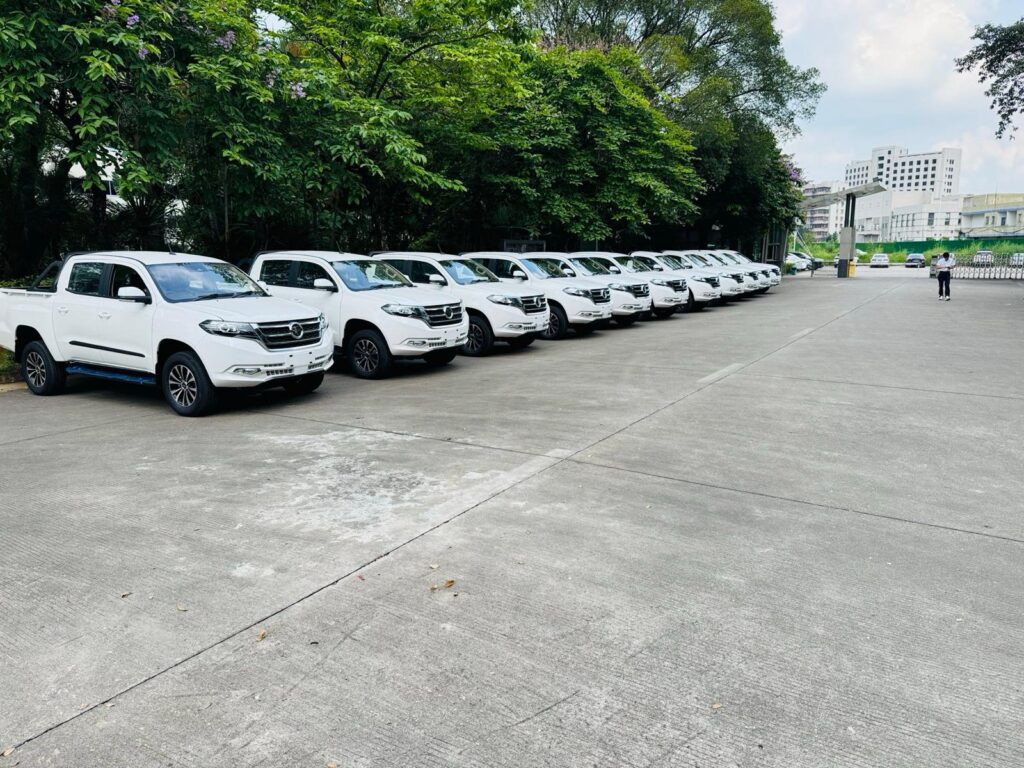
Electric utility vehicles for businesses are quickly becoming the go-to solution for fleet owners who want to cut costs, improve operations, and meet environmental targets.
But you might be wondering if these vehicles can actually handle the tough jobs your team faces every day. Can they perform in harsh conditions? Will they save you money in the long run? And what about reliability?
These are valid questions. Making the switch to electric is a big decision, and nobody wants to invest in something that cannot deliver when it matters most.
The shift toward electric fleets is not just about being eco-friendly. It is about making smart business decisions. Companies across mining, agriculture, infrastructure, and logistics are discovering that electric vehicles offer tangible benefits that directly impact their bottom line.
Fleet owners face increasing pressure from multiple directions. Fuel prices fluctuate unpredictably, maintenance costs keep climbing, and regulations around emissions are getting stricter. Customers and investors also expect companies to demonstrate genuine commitment to sustainability.
Electric utility vehicles address all these challenges at once. They eliminate the need for diesel or petrol. According to the Global EV Outlook from the International Energy Agency, electric vehicle adoption continues accelerating as businesses recognize the long-term financial benefits.
One of the most compelling reasons to switch is the significant reduction in operating expenses. Electric vehicles have fewer moving parts than traditional internal combustion engine vehicles. This translates to less wear and tear, fewer breakdowns, and dramatically lower maintenance requirements.
Think about what goes into maintaining a diesel fleet. You need regular oil changes, transmission servicing, exhaust system repairs, and fuel filter replacements. Electric vehicles skip all of that. The drivetrain is simpler, and regenerative braking systems extend the life of brake components by capturing energy during deceleration.
Electricity costs are also more stable and typically lower than diesel or petrol. For businesses running multiple vehicles across long shifts, this difference adds up fast. Mining companies have found that switching to electric light vehicles helps maintain productivity in demanding underground environments.
In industries like mining and construction, worker safety is non-negotiable. Diesel vehicles release harmful particulate matter and exhaust fumes that pose serious health risks, especially in enclosed spaces.
Electric utility vehicles produce zero tailpipe emissions. This eliminates exposure to toxic fumes and improves air quality in work environments. Beyond emissions, electric vehicles run quieter, making worksites safer by allowing clearer communication between team members.
The importance of battery safety cannot be overlooked. Modern electric utility vehicles come equipped with certified battery systems, weatherproof housing, and onboard diagnostics that monitor performance.
Governments worldwide are implementing stricter emissions standards. Businesses that fail to comply face penalties, restricted operations, or loss of contracts. Electric utility vehicles help companies stay ahead of these regulations.
For industries like mining, where environmental impact is heavily scrutinized, adopting electric fleets demonstrates genuine commitment to sustainability. This commitment can speed up regulatory approvals for new projects.
Beyond compliance, going electric improves your brand reputation. Research shows that organizations committed to reducing their carbon footprint attract more investment and talent. The transition also supports the growth of public transportation solutions in various regions worldwide.
When it comes to selecting the right electric utility vehicles for your fleet, having options matters. Here are two standout solutions worth considering.
The Tembo EUV is a conversion kit that transforms Toyota Land Cruiser and Hilux vehicles into fully electric workhorses. This solution is ideal for businesses that want to electrify their existing fleet without purchasing entirely new vehicles.
Why It Stands Out:
The Tembo Tusker is a purpose-built, fully electric pickup utility vehicle available in single-cab and dual-cab configurations. It offers ranges up to 400 km on a single charge and comes ready for demanding work environments.
Why It Stands Out:
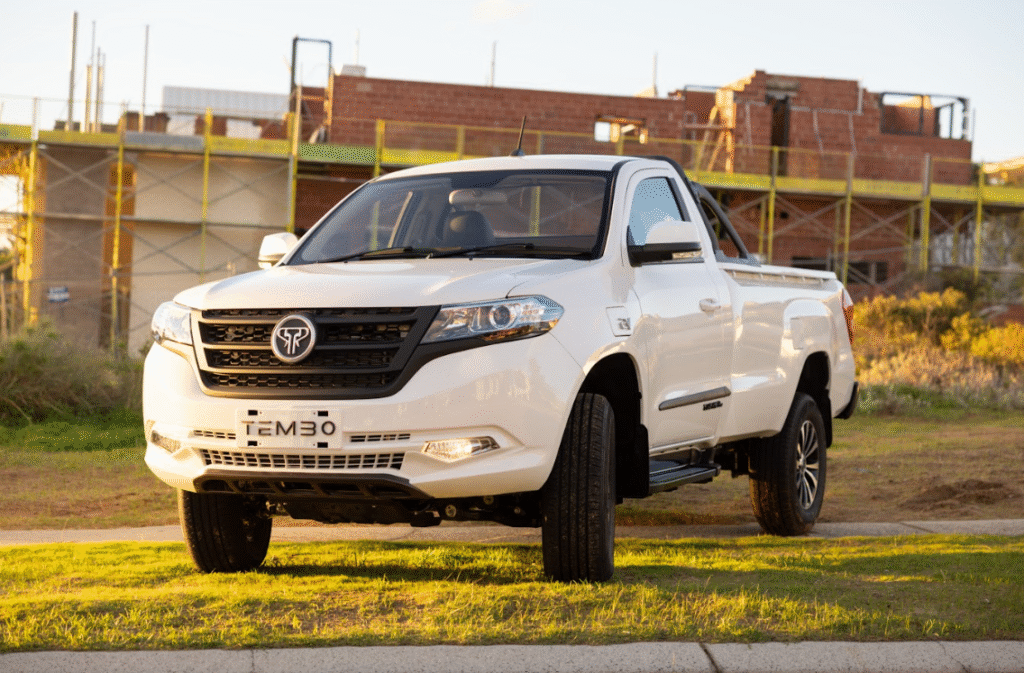
Electric utility vehicles are proving themselves across a wide range of applications. In agriculture, farmers use electric vehicles to handle payloads and tow equipment while reducing environmental impact.
Infrastructure and utility companies benefit from vehicles that approach repair sites silently, especially in residential areas. Safari operators appreciate quiet operation that allows tourists to observe wildlife without disturbance.
Defense and government agencies adopt these vehicles to reduce costs for taxpayers while maintaining reliability for emergency response. Features like V2L technology allow these vehicles to function as mobile power stations.
A common concern about electric fleets is the infrastructure needed to support them. The reality is often simpler than expected. Electric vehicles can use existing electrical infrastructure. In mining operations, the same power systems that run lighting and ventilation can charge the vehicles.
Charging times have improved significantly. Many modern electric utility vehicles can be charged during natural breaks in operations, ensuring vehicles are always ready when needed.
Can electric vehicles really handle the tough conditions your business faces? Electric utility vehicles designed for industrial applications are built to withstand demanding environments. They undergo rigorous testing for temperature extremes, dust exposure, and challenging terrain.
Electric motors actually offer performance advantages. They provide instant torque, which means better acceleration and handling when carrying heavy loads. The lower center of gravity improves stability on uneven ground.
Companies like Tembo ELV have been providing sustainable mobility solutions that help industries reshape their operations while maintaining the performance standards they require.
When evaluating any fleet investment, smart business owners look beyond the purchase price. The total cost of ownership over the vehicle's lifespan tells the real story.
Electric utility vehicles typically have higher upfront costs than their diesel counterparts. However, the savings in fuel, maintenance, and operational efficiency often make up for this difference within the first few years.
Consider the elimination of diesel costs, reduced maintenance intervals, and potential government incentives. Research from Rocky Mountain Institute on how fleets can electrify confirms that the numbers frequently favor electric.
Making the switch does not have to happen overnight. Many businesses start with a pilot program to test performance and measure savings. Geotab's guide on fleet electrification outlines practical steps for building a sustainable strategy.
Working with experienced partners helps smooth the transition. Look for providers that offer not just vehicles but also training, maintenance support, and charging solutions.
Consider where you are in your fleet replacement cycle. If vehicles are approaching the end of their useful life, that natural transition point is an ideal time to go electric.
Electric utility vehicles for businesses represent more than just a trend. They are a practical solution for companies facing cost pressures, regulatory requirements, and sustainability expectations.
Modern electric utility vehicle batteries are designed to last for the useful life of the vehicle itself. Most manufacturers offer warranties of eight years or more on battery systems. With proper care and charging practices, batteries maintain strong performance throughout their expected lifespan.
Yes. Electric utility vehicles designed for industrial applications can handle payloads comparable to their diesel counterparts. Many models offer payload capacities of up to 1000 kg and can tow significant additional weight. The instant torque from electric motors actually improves performance under heavy loads.
Planning and monitoring prevent this situation in most cases. Modern vehicles include range indicators and fleet management systems that track charge levels. For remote operations, portable charging solutions or battery swap systems ensure vehicles stay operational throughout shifts.
Electric utility vehicles are often safer than diesel alternatives in underground environments. They produce zero emissions, eliminating exposure to harmful exhaust fumes and reducing ventilation requirements. They also generate less heat than combustion engines, improving working conditions.
Charging times vary based on battery size and charger type. Standard charging from 20% to 80% typically takes between five and eight hours using AC charging. Fast DC charging options can significantly reduce this time, making it possible to charge during meal breaks and shift changes.
© Copyright 2026 Tembo e-LV BV | Privacy Policy